May 12, 2026
Storms can place intense stress on a roofing system, often leaving behind damage that is not immediately visible from the ground. High winds, heavy rain, hail, and falling debris all contribute to structural wear that can worsen over time if not properly addressed. That is why a thorough inspection process is essential after severe weather. Professional roofing contractors follow a detailed evaluation approach to determine the extent of the damage, identify underlying issues, and recommend appropriate repairs.
A comprehensive assessment does more than identify obvious problems. It uncovers hidden vulnerabilities that could lead to leaks, insulation failure, or structural deterioration. Understanding how this process works helps property owners make informed decisions and respond quickly after a storm. By understanding this process, property owners can take a more proactive role in protecting their investment and minimizing long-term repair costs.
Identifying Visible and Surface-Level Damage
Inspecting Shingles and Roofing Materials
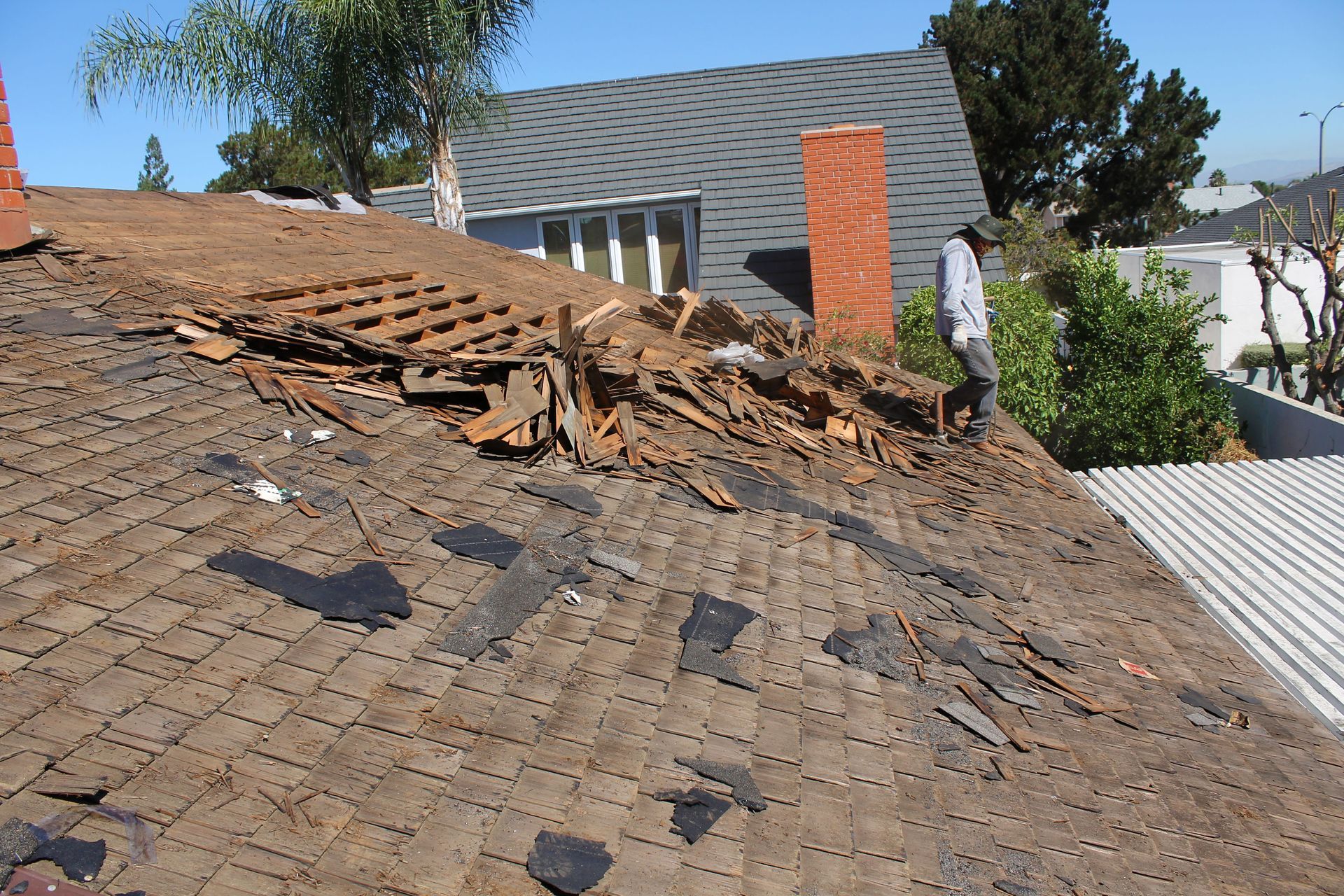
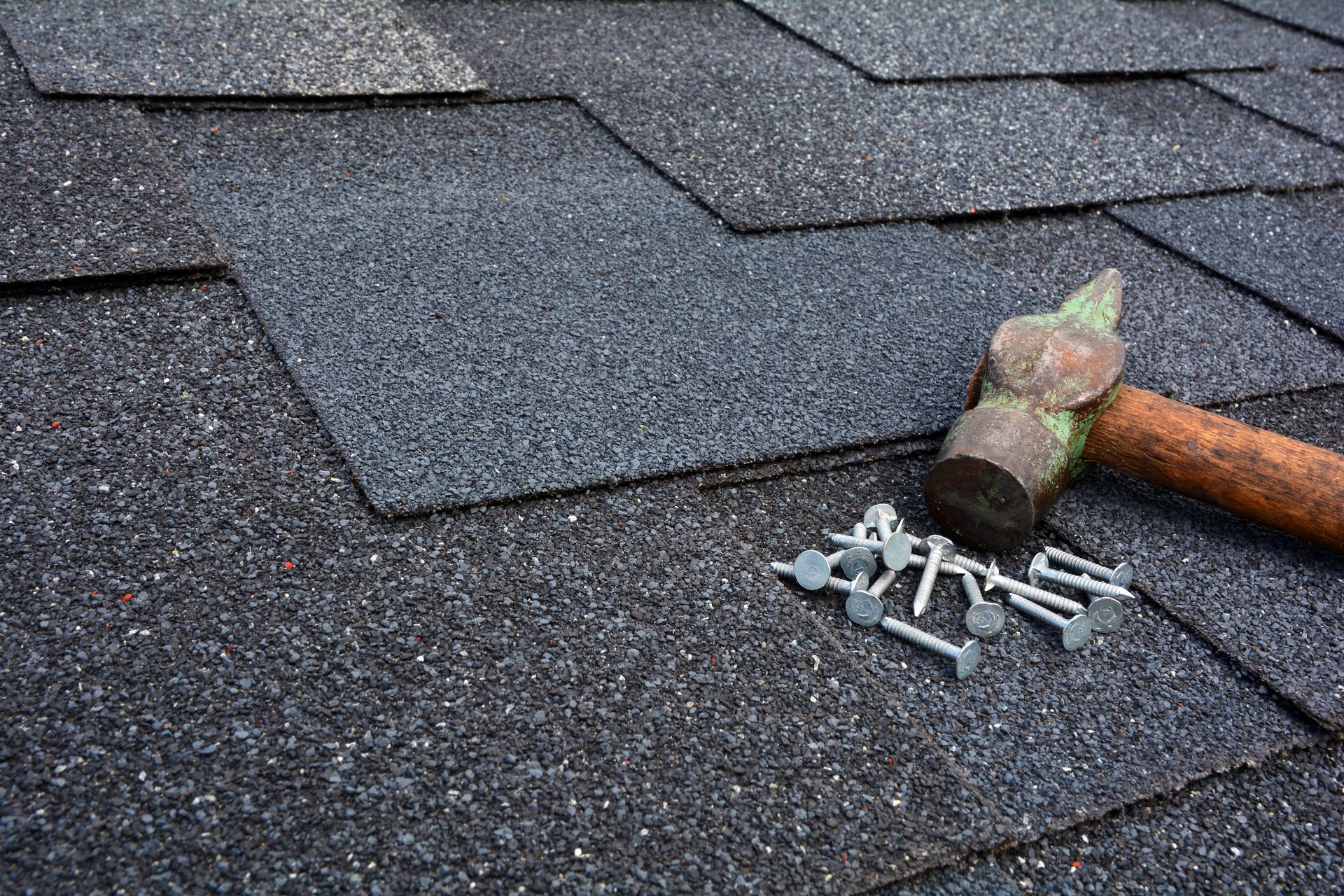
One of the first steps roofing contractors take is examining the condition of shingles or other surface materials. Strong winds can loosen, curl, or completely remove shingles, leaving the underlayment exposed. Hail can create impact marks that weaken the integrity of the material even if the damage is not immediately obvious. During this phase, contractors look for cracking, bruising, or granule loss, all of which signal that the protective barrier has been compromised.
Granule loss is particularly important because it reduces the roof's ability to reflect sunlight and resist moisture. Over time, this can accelerate aging and increase the likelihood of leaks. By carefully reviewing these surface conditions, roofers can determine whether a repair will suffice or if broader replacement is necessary.
Checking Flashing, Vents, and Penetrations
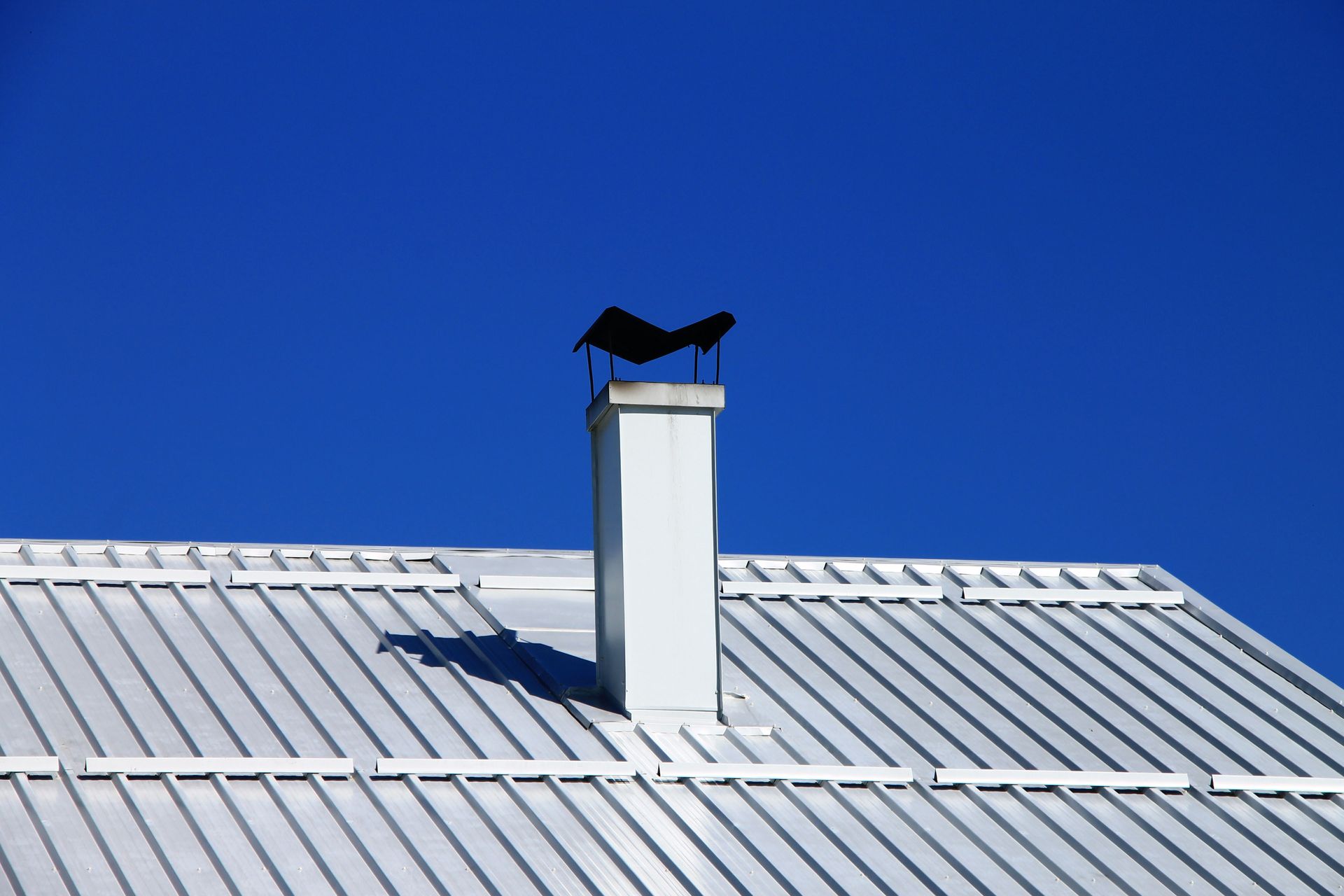
Beyond shingles, key components such as flashing, vents, and pipe penetrations are evaluated for damage. These areas are common weak points because they involve transitions in the roofing system. Wind-driven rain can force water into small gaps, especially if flashing has been bent or loosened during a storm.
Contractors also inspect sealants around vents and skylights. If these seals are cracked or displaced, water intrusion becomes far more likely. Even minor issues in these areas can lead to significant interior damage if left unaddressed, so a careful review is essential.
Evaluating Gutters and Drainage Systems
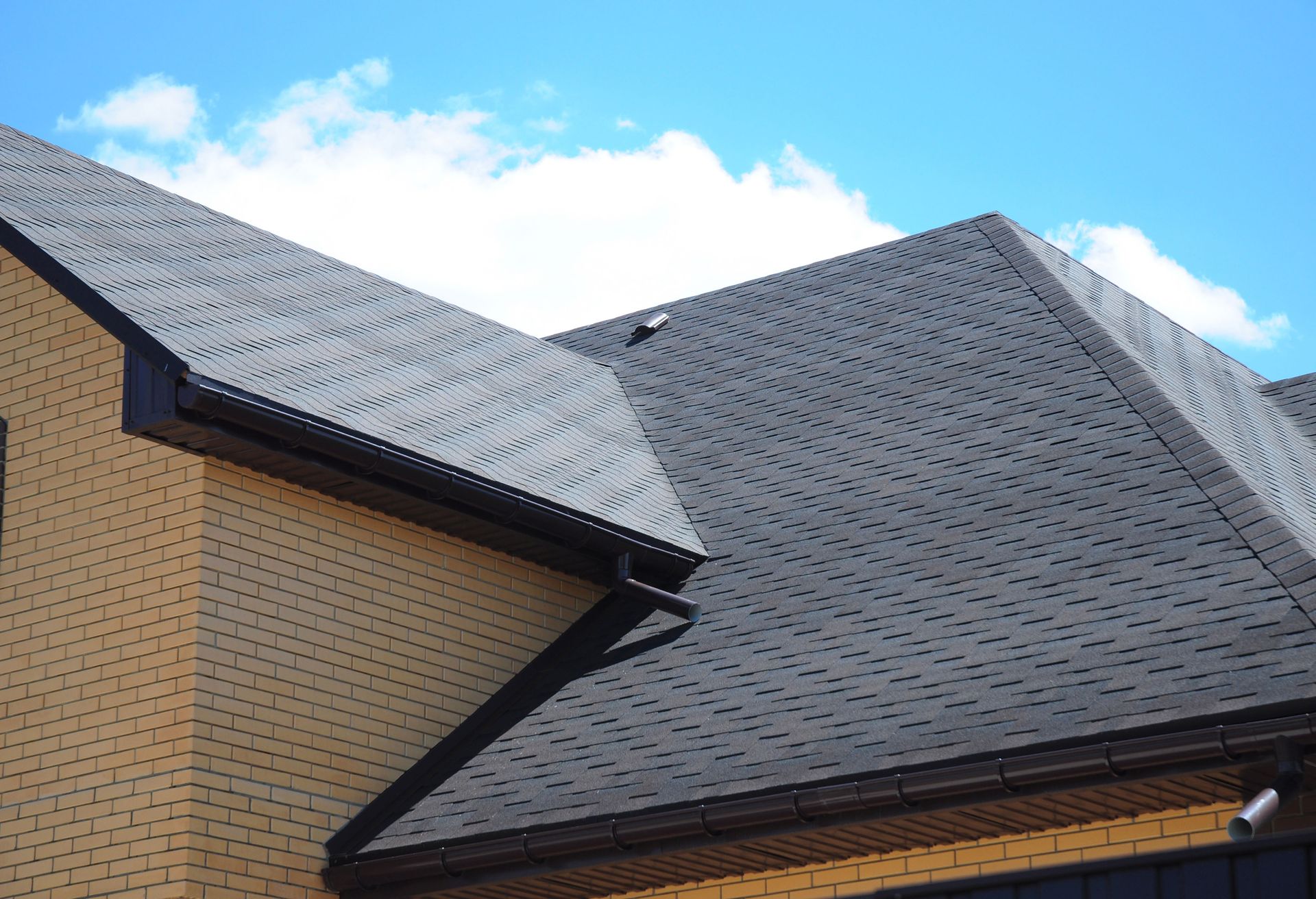
Storm damage assessments also include gutters and downspouts, which play a critical role in directing water away from the structure. Roofing contractors check for dents, clogs, and detachment caused by debris or heavy rainfall. When gutters are not functioning properly, water can pool along the roofline or seep into the foundation.
In some cases, the presence of shingle granules in gutters can serve as an early warning sign of roof deterioration. This detail helps contractors connect surface wear with broader system performance, ensuring that the evaluation accounts for both visible and indirect indicators of damage.
Assessing Structural and Hidden Issues
Examining the Roof Deck and Underlayment
While surface damage is important, roofing contractors also focus on what lies beneath. The roof deck and underlayment provide foundational support and moisture protection. If water has penetrated the outer layers, these components may be weakened or rotting.
Contractors look for soft spots, warping, or discoloration that indicate prolonged moisture exposure. In some cases, sections of the roof may need to be lifted to fully assess the condition of the underlying materials. This step ensures that repairs address the root of the problem rather than just the symptoms.
Detecting Water Intrusion and Interior Damage
An effective storm damage evaluation extends beyond the exterior. Roofers often inspect attic spaces and ceilings for signs of water intrusion. Stains, mold growth, and damp insulation are clear indicators that the roof has been compromised.
This interior assessment helps establish how long the damage has been present and whether it has spread. Moisture trapped within insulation can reduce energy efficiency and create an environment for mold development. By identifying these issues early, contractors can recommend solutions that protect both the structure and indoor air quality.
Evaluating Structural Integrity and Load Stress
Severe storms can place unusual stress on a roof's structural components. Heavy snow, fallen branches, or prolonged water accumulation may strain the framing system. Roofing contractors assess whether the roof has sagged, shifted, or developed uneven sections.
These structural evaluations are critical because they determine whether the roof can safely support repairs or if reinforcement is required. Addressing structural concerns early helps prevent more extensive damage and ensures that any restoration work is built on a stable foundation. In addition, contractors may evaluate how well the roof has maintained its original load distribution, especially after repeated exposure to harsh weather conditions. This deeper level of analysis helps identify subtle weaknesses that might not be immediately visible but could compromise long-term performance.
Documenting Damage and Planning Repairs
Creating Detailed Inspection Reports
After completing the physical assessment, roofing contractors compile detailed reports outlining their findings. These reports typically include descriptions of damage, photographs, and recommended next steps. Clear documentation is essential for both property owners and insurance providers.
In fact, according to data from RubyHome, about 33% of annual roof replacements are the result of storm-related damage, highlighting how frequently severe weather leads to significant roofing issues. This context underscores the importance of accurate reporting, as it supports informed decision-making and helps justify necessary repairs or replacements.
Assisting With Insurance Claims
Navigating insurance claims can be a complex process, especially after a major storm. Roofers often assist property owners by providing the documentation needed to support a claim. This includes detailed assessments, cost estimates, and communication with adjusters.
By working closely with insurance providers, contractors help ensure that all damage is properly accounted for. This collaboration can streamline the claims process and reduce the likelihood of disputes or delays. It also gives property owners greater confidence that their repairs will be adequately covered.
Developing a Comprehensive Repair Strategy
Once the evaluation is complete, roofing contractors create a repair plan tailored to the specific needs of the roof. This plan may involve anything from minor patching to full replacement, depending on the extent of the damage. Emergency measures, such as temporary coverings or leak sealing, are often implemented first to prevent further deterioration.
The repair strategy also considers long-term performance. Contractors select materials and methods that restore the roof's durability and resilience against future storms. They may also prioritize phased repairs when appropriate, allowing critical issues to be addressed immediately while planning for more extensive work over time. By addressing both immediate concerns and potential risks, the plan ensures that the roof remains reliable over time.
Evaluating storm damage requires a methodical and detail-oriented approach that goes far beyond a simple visual check. From inspecting shingles and flashing to assessing structural integrity and documenting findings, each step plays a crucial role in determining the condition of the roof. Professional roofing contractors combine experience with thorough inspection methods to identify both visible and hidden issues, ensuring that no aspect of the damage is overlooked.
Taking prompt action after a storm is essential to protect your property and avoid more extensive repairs. A comprehensive evaluation not only restores the roof's functionality but also provides peace of mind, knowing that your home or business is safeguarded against future weather events. Partnering with experienced professionals ensures that every aspect of storm damage is properly addressed, helping extend the life of your roof and maintain the safety of your property. For reliable roofing services you can count on after a storm, reach out to Dr. Roofer!