June 23, 2026
Roof leaks can be a homeowner's nightmare, often raising the daunting question of whether a full roof replacement is needed or if a simple repair will suffice. This dilemma is common among many, posing financial and developmental challenges. In this article, we seek to explore and unravel whether a leak necessitates a new roof install or could be efficiently managed with minor repairs. We aim to provide insights into assessing damage, repair considerations, and understanding the impact of materials and climate influences. By the end of this exploration, homeowners should have a clearer pathway to addressing their roof leak concerns.
As technology evolves, so does the roofing industry, offering advanced diagnostic techniques and innovative materials catering to diverse environmental needs. But a critical aspect remains: knowing when to repair and when to choose a complete roof install. According to RubyHome, leaks are the driving factor for roughly 33% of homeowners who decide to replace their roofs. This statistic underscores the importance of early detection and timely action. By arming yourself with the information, you'll position yourself favorably in matters relating to roofing dilemmas, ensuring both adequacy and safety for your home.
Understanding Roof Leaks
Roof leaks can stem from various sources, each presenting its own challenges. Aging roofing materials, for instance, become susceptible to damage over time, leading to leaks. Debris accumulation, such as leaves and branches, can obstruct drainage channels, causing water pooling and further exacerbating leakage problems. Additionally, weather extremities, including hailstorms and heavy rainfall, can cause punctures and fractures in roofing materials, allowing water ingress. A less obvious cause might be improper roof install protocols, where the lack of professional expertise translates to long-term vulnerabilities.
Another major contributor to roof leaks is the degradation of flashing around chimneys, vents, or skylights, where water can seep through if the flashing is compromised. Similarly, poorly sealed seams and joints may weaken over time due to constant exposure to varying weather conditions. Moreover, a neglected roof, void of routine maintenance, can develop weak spots unbeknownst to homeowners until significant leaks occur. Identifying the root cause of a leak is imperative, ensuring that subsequent solutions address the underlying issues rather than merely patching noticeable symptoms. Prioritizing diagnostics minimizes reactive costs and prolongs roofing life expectancy.
Environmental factors play an undeniable role in initiating roof leaks. Regions prone to frequent temperature fluctuations witness expansion and contraction of materials, leading to cracks. Coastal areas deal with higher humidity levels, further stressing roofing materials susceptible to moisture retention. Such dynamics illustrate that understanding environmental impact alongside physical degradation can offer homeowners a comprehensive perspective on roof leak causes. By adopting a proactive approach to maintenance and repair, many leak issues can be forestalled, preserving the home's foundational integrity and aesthetic appeal.
Inspecting the Roof First
Before taking steps to repair or replace a roof, thorough inspections are vital to determine the extent and nature of the leak. Inspections give homeowners clarity on the specific sources of leaks and allow precise interventions rather than generic solutions. A comprehensive inspection sheds light on areas previously overlooked, highlighting weak spots or impending risks. It offers a clear picture, essential for drafting repair or replacement plans that align with actual conditions. This preemptive measure saves time and resources, preventing recurrent leaks and enhancing the life span of the roof.
Professional inspections entail a rigorous analysis of roof conditions, identifying not only visible leaks but potential vulnerabilities. Experts utilize advanced technologies, such as infrared tools, to detect moisture buildup within roof materials. This depth of analysis ensures no stone is left unturned, providing homeowners with accurate damage assessments. By catching problems early, homeowners are better positioned to make informed decisions, strategically investing in repairs that guarantee long-term solutions. Regular inspections also serve as a protective mechanism, offering peace of mind amidst changing weather patterns and material wear.
Evaluating Damage Severity
Differentiating between superficial and severe roof damage is crucial to formulating an appropriate response strategy. Superficial damages often manifest as aesthetic blemishes, like discolored shingles or minor surface cracks, which do not immediately compromise structural integrity. These issues, while needing correction, do not generally signify urgent threats to safety or property value. Regular maintenance routines can typically suffice in managing such conditions without extensive expenditure. Early identification and resolution of such superficial issues prevent them from escalating into more dire complications.
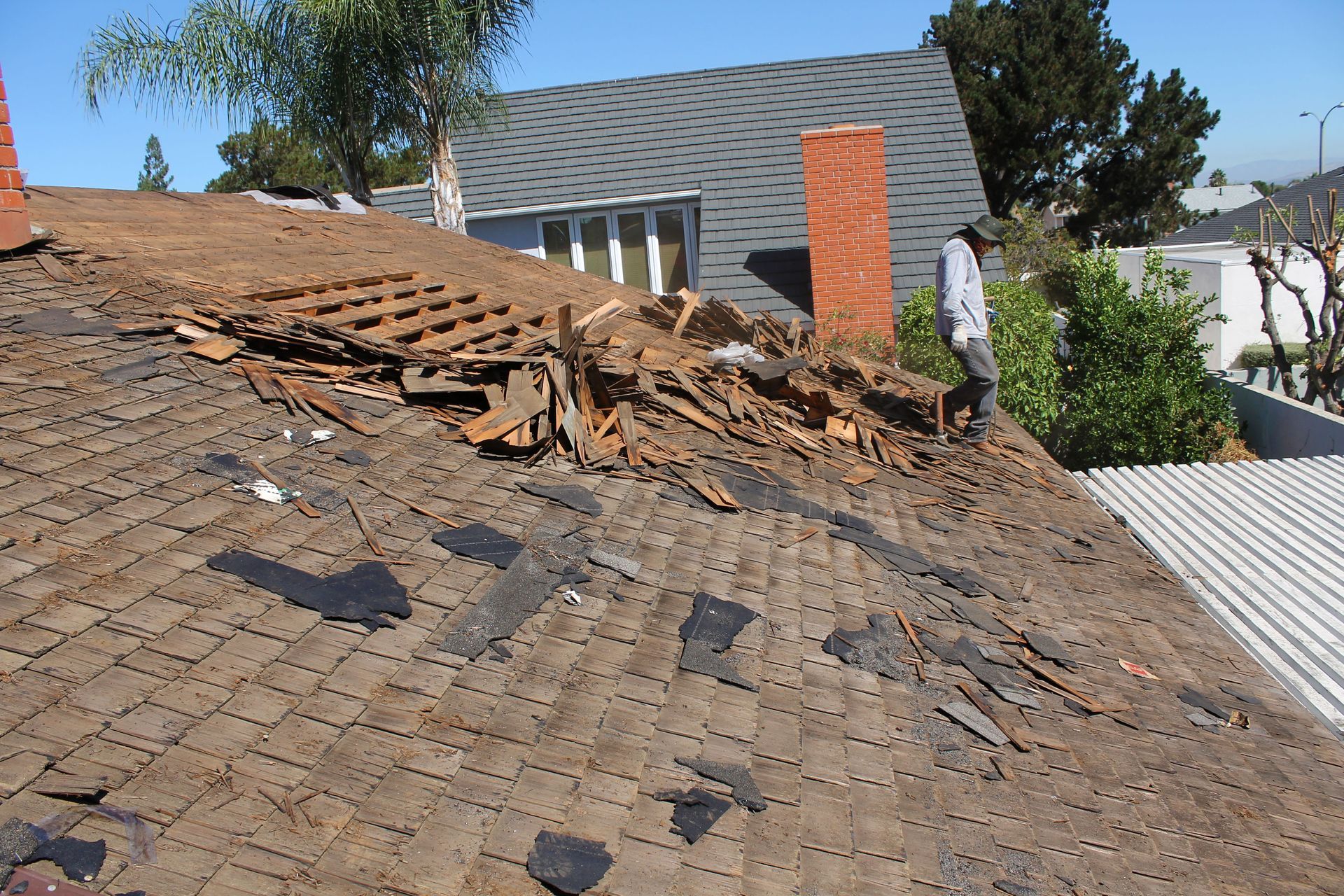
Conversely, severe damage demands urgent attention due to its direct impact on roofing safety and functionality. Indicators of severe damage include significant sagging areas, large patches of lost shingles, or extensive water stains spanning multiple rooms or flooring levels. Such cases often signify a breakdown in roof support structures, threatening the home's overall structural security. Immediate remediation becomes imperative, often involving a partial or full roof install to restore stability and safeguard inhabitants. Furthermore, severe issues tend to attract higher repair costs, emphasizing the need for urgent action.
Assessing Impacted Structural Elements
The implications of roof leaks extend strategically beyond surface moisture, compromising the very structure and support systems of a home. Accumulated water within roof substrates weakens wooden supports, making structures fail under load pressure. This structural weakening gravely affects home stability, raising alarms over potential structural failures if unchecked. Reinforcement strategies emphasize timely repair action to bolster support structures, safeguarding homes against potential damage. Solutions crafted on roof structural integrity prioritize durability as a critical parameter, ensuring an optimal nexus between repair work and support system resilience.
Water-infiltrated structural elements exhibit deformation symptoms, such as sagging rafters or warped ceiling joists. Such physical manifestations illuminate the urgency of addressing leakage and associated issues comprehensively. Solutions thus extend beyond leak-specific actions, integrating systemic review processes designed to determine varying resilience improvement methodologies. Reinforced platforms rely on assessment outcomes, demonstrating a thoughtful conduit for sustainable support system rectification. Through vigilant maintenance, home structures attain fortification addressing both present and future leak-related implications.
Deciding Between Repair and Replacement
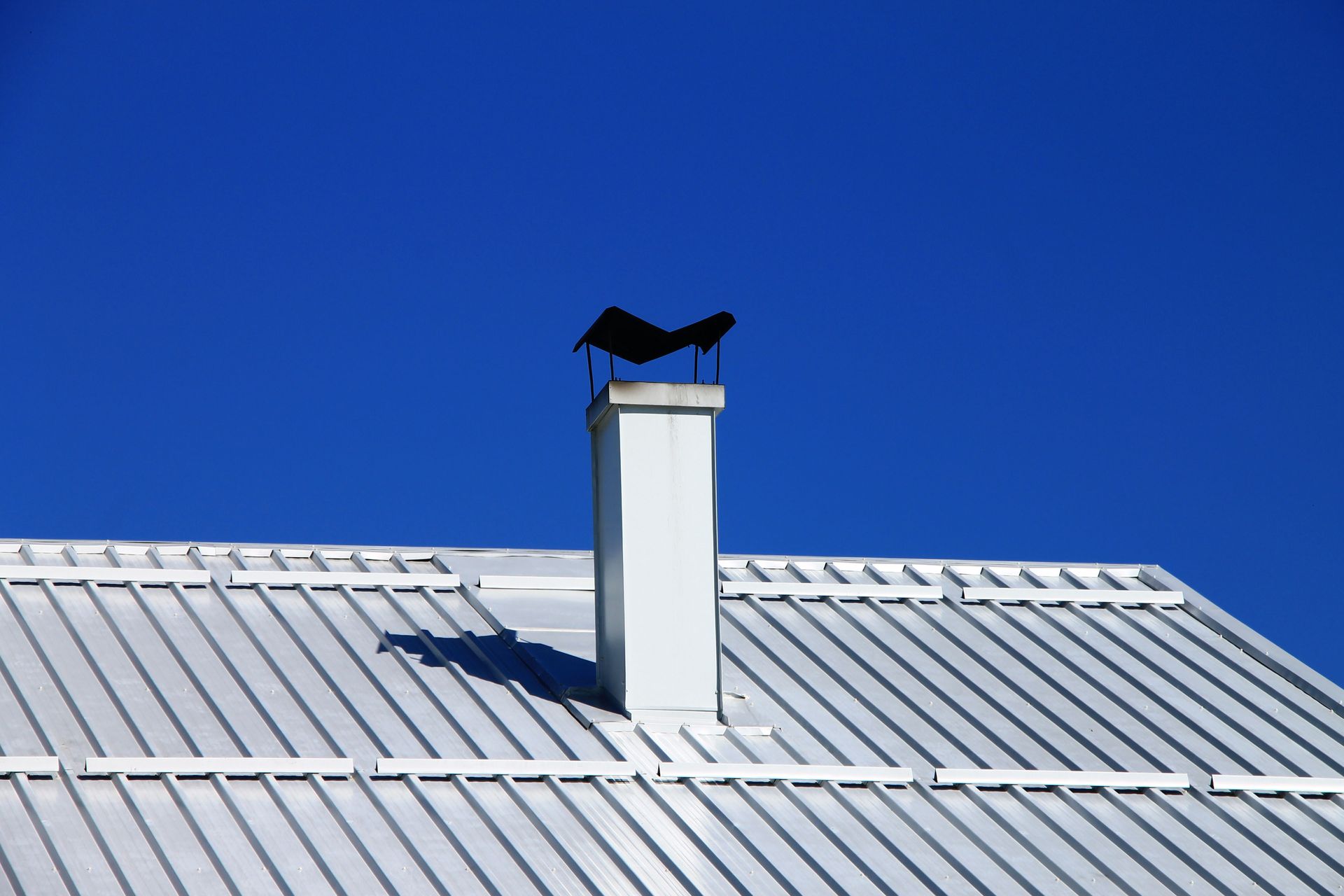
One of the primary factors in deciding whether to repair or replace a roof is its age and the longevity of its materials. Different roofing materials have varying lifespans; for instance, asphalt shingles typically last 20 to 30 years, while metal roofs can endure for over fifty years with proper maintenance. If a roof nears the end of its lifespan and frequent repairs become necessary, a new roof install might be a more cost-effective long-term solution. Aging materials become less resilient to weather changes and physical stressors, often leading to increased maintenance requirements. By contemplating the roof's age and material longevity, homeowners can strategically plan for effective roofing investments.
The initial inspection and understanding of material condition guide homeowners in predicting future repair frequencies. Old roof materials subjected to constant repair cycles signal the approach of replacement inevitability. Strategizing around age involves fiscal preparation appropriate for impending replacement decisions, aligning finances with necessary material upgrades. Advancements in industry manufacturing deliver highly durable options for your next roof install, transforming structural vulnerability into long-lasting home equity.
Determining whether a minor leak warrants minor patching or a complete overhaul is a vital milestone in maintaining your home's long-term health. While a small drip doesn't always mandate a brand-new roof install, ignoring the warning signs can quickly lead to widespread, structural deterioration. By prioritizing professional inspections, evaluating the depth of water damage, and factoring in the overall age of your roofing materials, you can make a calculated financial decision that protects your property and your loved ones.
Don't wait for a small leak to turn into an expensive disaster. Contact the experts at Dr. Roofer today to schedule your professional roof inspection and protect your home with the ultimate peace of mind!