May 12, 2026
Homeowners often miss early signs of roof damage until the issues become expensive and disruptive. Many roofing systems in the United States rely on asphalt shingles, and according to RubyHome, these shingles are used in roughly 80% of roofing projects, making them the most common roofing material nationwide. Because of this widespread use, many homes experience similar wear patterns and damage risks over time. Small issues can quickly develop into larger structural concerns if they are not addressed early. Professional evaluation helps ensure that problems are identified before they spread. Experienced residential roofers play an important role in diagnosing and repairing these issues correctly. Understanding the warning signs can help homeowners protect both their property and long-term investment.
1. Missing or Damaged Shingles Indicate Roof Surface Failure
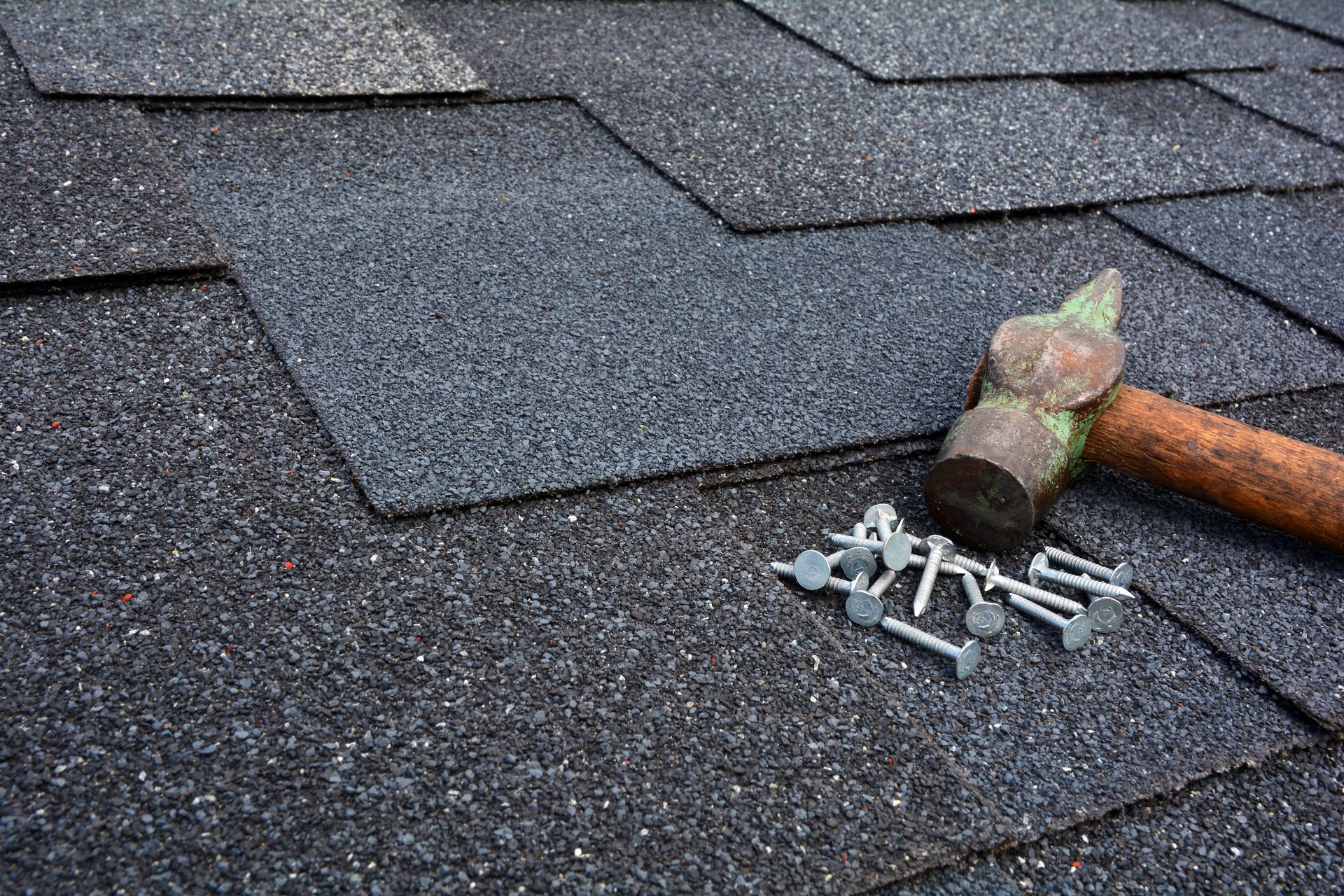
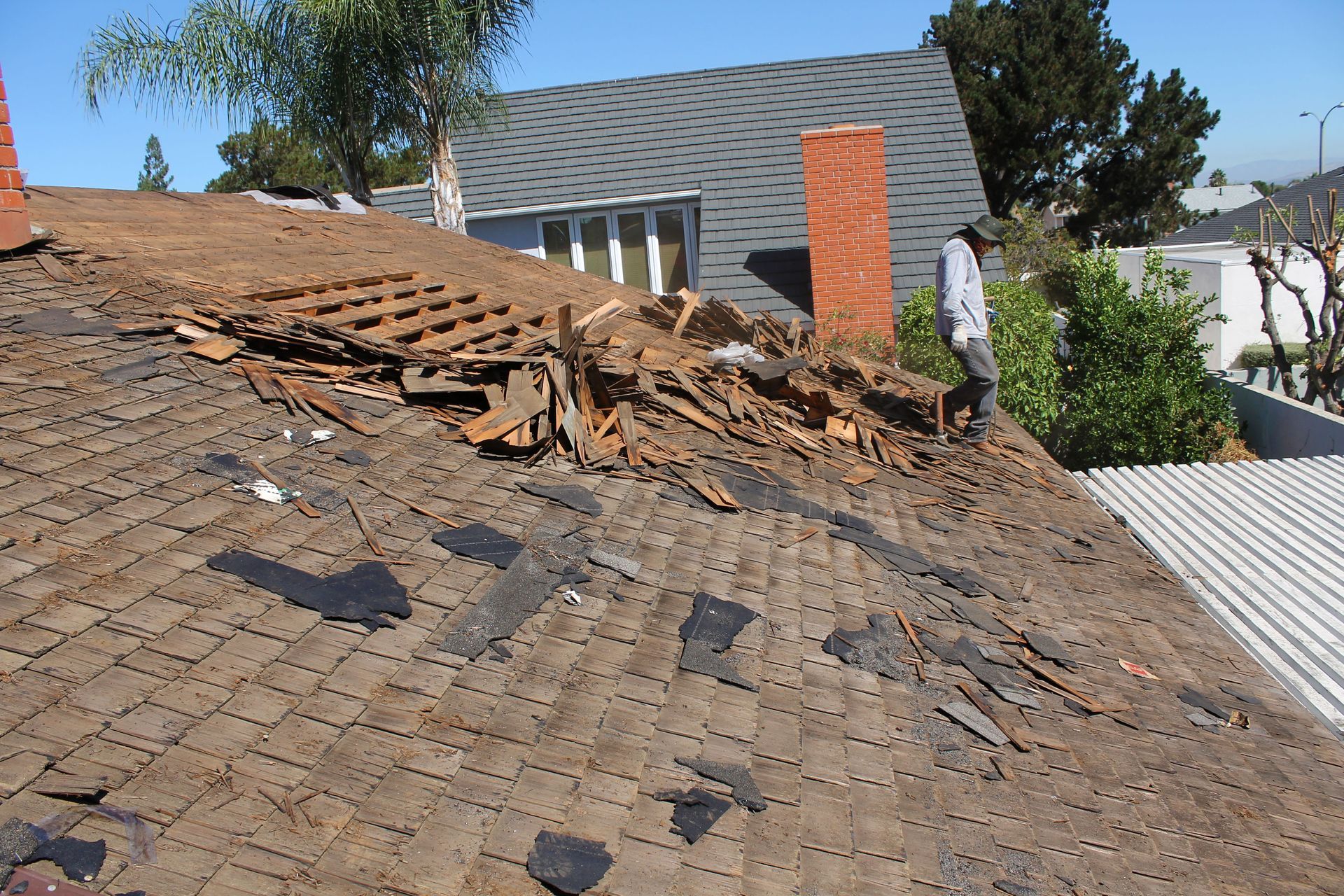
Missing, cracked, or curling shingles are one of the most obvious signs that a roof needs attention. These issues often develop due to aging materials, harsh weather exposure, or poor installation. Once shingles are compromised, the roof loses its first line of defense against moisture. Water can begin seeping into underlying layers, creating hidden damage that worsens over time. Residential roofers are trained to evaluate the extent of shingle damage and determine the appropriate repair method. In some cases, localized repairs may be sufficient, while more extensive damage may require larger sections to be replaced. Ignoring missing shingles can quickly lead to leaks and structural deterioration. Timely repair helps maintain the protective barrier of the roof system.
2. Water Stains On Ceilings Signal Internal Leaks
Water stains inside the home are a clear indicator that the roof may be compromised. These stains often appear as yellow, brown, or dark patches on ceilings and upper walls. They suggest that moisture has already passed through the roofing layers and entered the interior structure. The actual source of the leak is often not directly above the visible stain, making diagnosis more complex. Residential roofers carefully inspect both interior and exterior areas to locate the origin of the water intrusion. Left unaddressed, these leaks can lead to mold growth and weakening of structural materials. Over time, even small leaks can result in significant interior damage. Early detection and repair are essential to prevent costly restoration work.
3. Flashing Damage Around Roof Penetrations Creates Vulnerable Points
Flashing is installed around chimneys, vents, skylights, and roof edges to prevent water entry. When flashing becomes loose, corroded, or improperly sealed, it creates vulnerable entry points for moisture. These issues often develop gradually and may not be immediately noticeable from the ground. Residential roofers inspect flashing systems to ensure all seals are intact and properly aligned. Even small gaps can allow water to penetrate during heavy rain or snow. Over time, this can lead to hidden damage within the roof structure. Repairing or replacing damaged flashing is essential for maintaining a watertight system. Proper flashing performance is critical to long-term roof durability.
4. Active Roof Leaks During Rainfall Require Immediate Attention
Leaks that appear during or after rainfall are a serious warning sign that roof repair is needed. These leaks often indicate a direct breach in the roofing system. Water may drip into attics, ceilings, or walls, depending on the severity of the damage. Residential roofers are essential in locating the exact source of these leaks, which may be far from where the water appears indoors. Quick action is necessary to prevent further damage to insulation, framing, and interior finishes. Delaying repairs can significantly increase restoration costs. Even small leaks can escalate rapidly if left untreated. Immediate professional attention helps protect the entire structure.
5. Sagging Roof Structure Indicates Potential Safety Risks
A sagging roof is a serious structural concern that should never be ignored. It often indicates long-term moisture damage, weakened decking, or excessive weight stress. Over time, water intrusion or material deterioration can cause sections of the roof to dip or bow. Residential roofers evaluate sagging areas to determine whether reinforcement or full replacement is required. This condition can worsen quickly if not addressed promptly. In severe cases, it may pose safety risks to the occupants of the home. Early intervention helps prevent complete structural failure. A stable roof structure is essential for overall home safety.
6. Increased Energy Bills Suggest Roof Insulation Problems
Unexpected increases in heating or cooling costs can sometimes be linked to roofing issues. Damaged roofing materials or poor ventilation can allow conditioned air to escape the home. This forces HVAC systems to work harder to maintain indoor temperatures. Residential roofers often inspect roofs for ventilation problems, insulation gaps, or hidden damage contributing to energy loss. These issues are not always visible from the exterior but can have a significant impact on efficiency. Repairing roof-related inefficiencies can improve overall energy performance. Homeowners may notice reduced utility costs after proper repairs are completed. Addressing these issues helps improve both comfort and efficiency.
7. Moisture And Moss Growth Indicate Excess Water Retention
The presence of moss, algae, or moisture buildup on a roof surface is a sign of trapped water. These growths thrive in damp environments and can accelerate roof deterioration. Over time, moss can lift shingles and create pathways for water intrusion. Residential roofers assess whether cleaning, treatment, or repair is necessary, depending on the severity of growth. Excess moisture can weaken roofing materials and shorten their lifespan. Proper drainage and ventilation are key to preventing these issues. If ignored, biological growth can lead to more serious structural damage. Maintaining a dry roof surface is essential for long-term durability.
8. Granule Loss In Gutters Signals Shingle Deterioration
Asphalt shingles are coated with protective granules that help shield them from UV rays and weather damage. Over time, these granules naturally wear away, but excessive accumulation in gutters is a warning sign. Significant granule loss often indicates that shingles are aging or deteriorating faster than expected. Residential roofers inspect gutter systems to identify this issue and assess roof condition. Without these protective granules, shingles become more vulnerable to damage. Continued wear can shorten the overall lifespan of the roof. Early detection allows for timely repair or replacement decisions. This helps maintain long-term roofing performance.
9. Attic Moisture Or Mold Indicates Hidden Roof Damage
Moisture buildup in the attic is often a hidden sign of roofing problems. It can result from leaks or poor ventilation that go unnoticed for long periods. Over time, this moisture can lead to mold growth and wood rot. Residential roofers inspect attic spaces to identify the source of moisture and determine necessary repairs. Mold not only damages structural components but can also affect indoor air quality. Addressing the root cause is essential to prevent recurring issues. Proper ventilation and sealing help maintain a dry attic environment. Early intervention reduces the risk of long-term damage.
Residential roofers play a key role in ensuring that roofs continue to perform efficiently throughout their lifespan. They provide recommendations based on material condition, age, and environmental factors that influence durability. Residential roofers also help homeowners plan for future maintenance needs, reducing unexpected repair costs. If your roof is showing any of these warning signs, acting quickly can prevent more serious and costly damage. Dr. Roofer provides professional inspections, reliable repairs, and long-term roofing solutions designed to protect your home. Contact Dr. Roofer today to schedule an evaluation and ensure your roof remains strong, secure, and built to last.