November 25, 2026
Maintaining the structural integrity of a business facility requires diligent attention to its uppermost protective layer. Applying high-quality protective layers over existing materials provides an exceptional barrier against relentless environmental wear and tear. This practice ultimately safeguards the underlying structure and allows property owners to delay costly complete replacements.
Understanding The Dynamics Of Roofing Demand
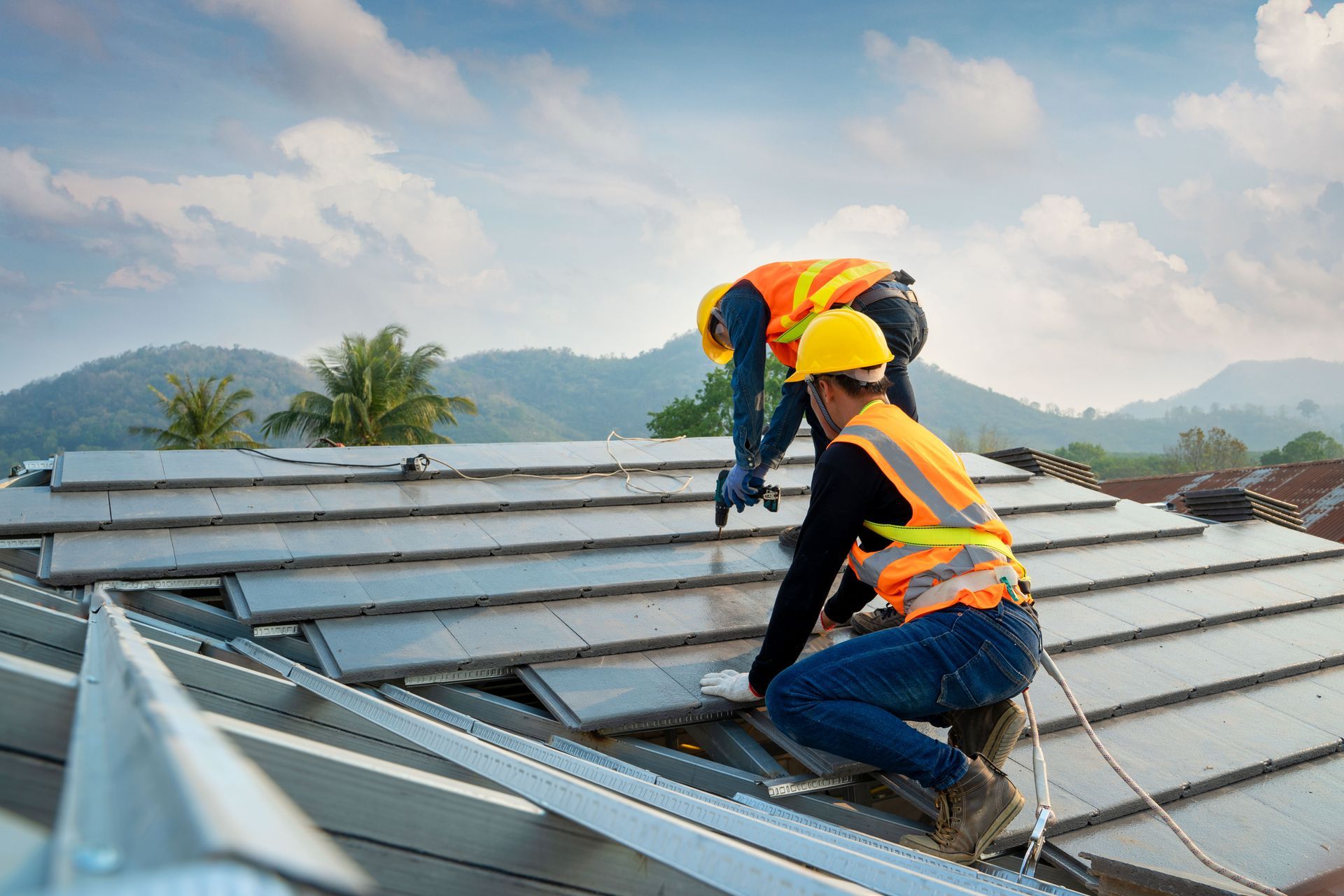
According to recent findings from Research and Markets, approximately 52% of roofing demand is driven by reroofing and renovation endeavors, while the remaining forty-eight percent is generated by new commercial developments, including structures like logistics warehouses and data centers. This precise balance highlights a significant industry trend where preserving existing infrastructure is prioritized almost as highly as constructing new facilities. For those managing older properties, completely tearing off an existing topmost layer is disruptive, messy, and highly demanding on operational budgets. Instead of defaulting to complete replacements, property managers are increasingly turning to restorative liquid solutions to revitalize their aging facilities. Engaging a competent commercial roofer for these renovation initiatives often involves a comprehensive evaluation of the current substrate to determine if a liquid-applied membrane is suitable. By choosing restoration over replacement, organizations minimize waste sent to landfills and significantly reduce the operational downtime associated with major construction projects. Furthermore, these liquid solutions provide an adaptable covering that conforms precisely to the unique architectural contours of the facility, offering an upgraded defense mechanism that rivals the performance of entirely new installations.
Defending The Structure Against Environmental Stress
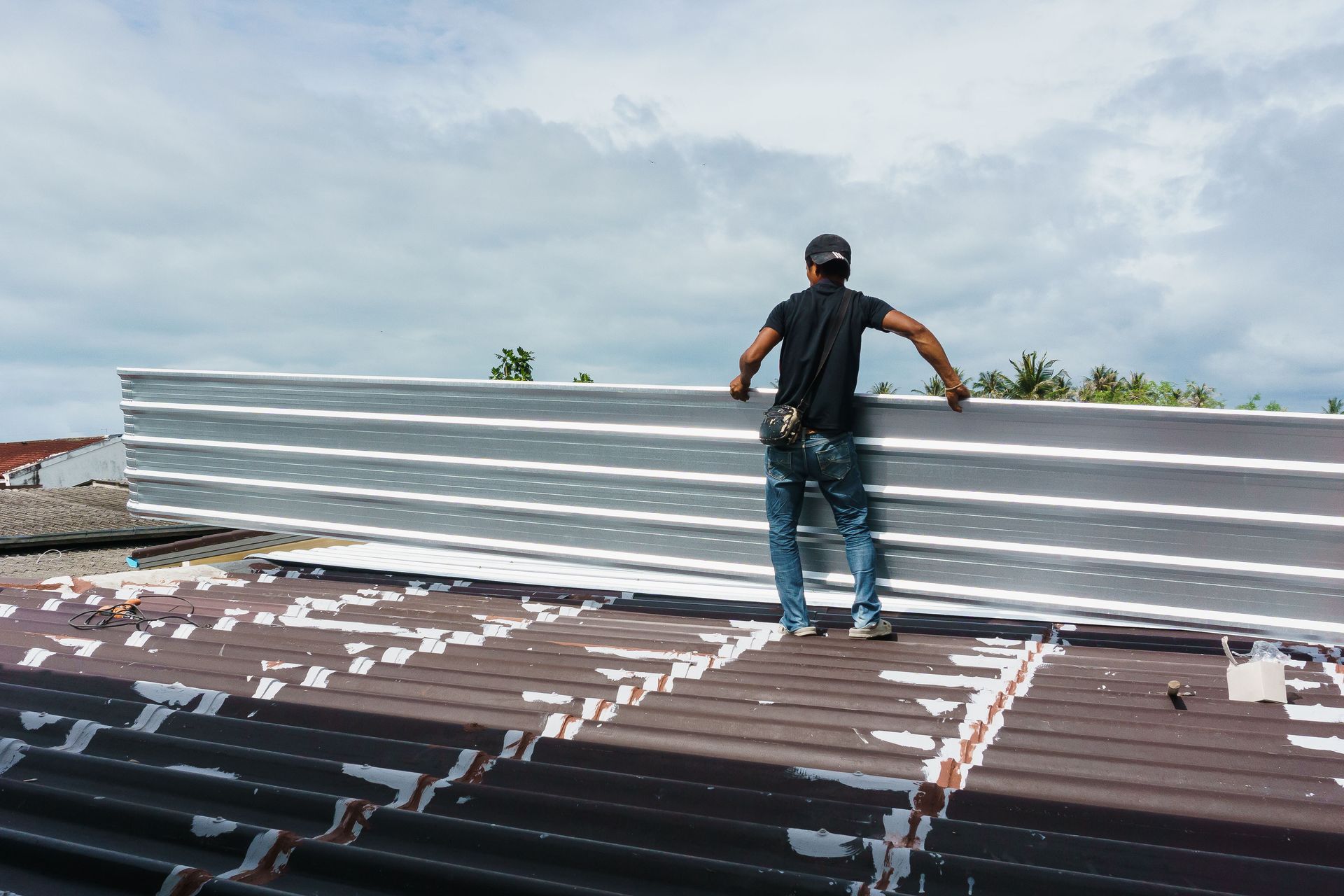
Commercial facilities face constant environmental adversaries, from intense ultraviolet radiation to severe weather events. Over time, constant exposure to direct sunlight causes traditional materials to become brittle, leading to severe cracking, blistering, and accelerated degradation. When these materials lose their inherent flexibility, they can no longer expand and contract safely in response to shifting weather patterns. A properly specified coating acts as a sacrificial shield that absorbs this punishment, preserving the delicate substrates beneath. A qualified commercial roofer will evaluate the specific geographical climate and environmental stressors unique to the facility before recommending a tailored chemical formulation. The application of this restorative layer forms a durable, rubberized barrier that flexes harmoniously with the building as it reacts to atmospheric shifts. This elasticity is crucial for preventing the formation of micro-fissures that eventually evolve into severe structural liabilities. This protective membrane stands resilient against high winds, driving rain, and airborne debris that would otherwise erode unprotected surfaces. By continuously deflecting ultraviolet radiation and resisting physical abrasion, the coating dramatically slows down the natural aging process of the underlying materials, ensuring the entire envelope remains secure and intact regardless of what the elements deliver.
Preventing The Infiltration Of Destructive Moisture
Water intrusion represents the most insidious threat to the longevity and safety of any business establishment. Even minor ponding or slight seam separations can allow moisture to stealthily penetrate the building envelope, leading to severe internal rot, rust, and compromised structural supports. Traditional installations rely heavily on mechanical fasteners and overlapping seams, which naturally present vulnerable junctions where water can easily enter. Applying a high-quality liquid membrane completely eliminates these vulnerabilities by curing into a monolithic, entirely seamless barrier. When a skilled commercial roofer applies the product over the prepared surface, the liquid seamlessly self-levels and fills in microscopic voids, creating an impenetrable shield that leaves absolutely no entry point for precipitation. This seamless nature is particularly beneficial for flat or low-slope designs that are notoriously prone to pooling water after heavy rainfall. The impermeable nature of the cured membrane ensures that sitting water remains safely isolated from the vulnerable substrates below until it can naturally evaporate. By neutralizing the threat of moisture infiltration, property owners simultaneously eliminate the risk of interior mold proliferation and the associated decline in indoor air quality.
Maximizing The Efficiency Of Thermal Regulation
Beyond merely serving as a waterproof barrier, modern restorative formulations are engineered to significantly enhance the overall energy profile of a facility. Traditional dark-colored materials inherently absorb vast amounts of solar heat, transferring that thermal energy directly into the interior spaces of the building. This constant heat transfer forces climate control systems to work relentlessly to maintain a comfortable indoor atmosphere, thereby inflating utility expenses. High-performance liquid membranes are uniquely designed to be highly reflective, effectively bouncing a vast majority of the sun's radiant energy away from the structure. Transforming a heat-absorbing surface into a highly reflective asset actively minimizes thermal transfer. Consulting with an experienced commercial roofer allows facility managers to select optimal formulations that meet strict reflectivity standards tailored to their specific regional demands. As the building absorbs less heat, the interior environment remains naturally cooler, which dramatically reduces the mechanical strain placed on air conditioning units. This reduced workload lowers monthly energy expenditures and extends the operational life of the climate control equipment. Ultimately, this approach transforms a passive structural element into an active participant in the facility's overall energy management strategy, yielding continuous operational dividends.
Simplifying The Process Of Ongoing Maintenance
Maintaining an aging facility typically requires constant vigilance, frequent patching, and intensive labor to address localized failures before they spread. These reactive repairs consume valuable resources and often result in temporary fixes that fail to address systemic degradation. The introduction of a liquid-applied membrane revolutionizes this maintenance paradigm by providing a unified, easily manageable surface that resists dirt accumulation and organic growth. The smooth, seamless nature of the cured product means there are no crevices for debris to lodge into, making routine cleaning remarkably straightforward. During scheduled inspections, an expert commercial roofer can easily identify any superficial damage or localized wear, as the pristine surface highlights anomalies clearly. If any minor damage does occur, repairing a liquid membrane is a localized and simple process that involves cleaning the specific area and applying a fresh dollop of the identical coating compound. This eliminates the need to replace large sections of the structural assembly. Furthermore, as the membrane eventually nears the end of its functional life, the existing coating can simply be thoroughly cleaned and topped with a fresh application, renewing the protective benefits without requiring a full tear-off.
Navigating The Application Of Advanced Materials
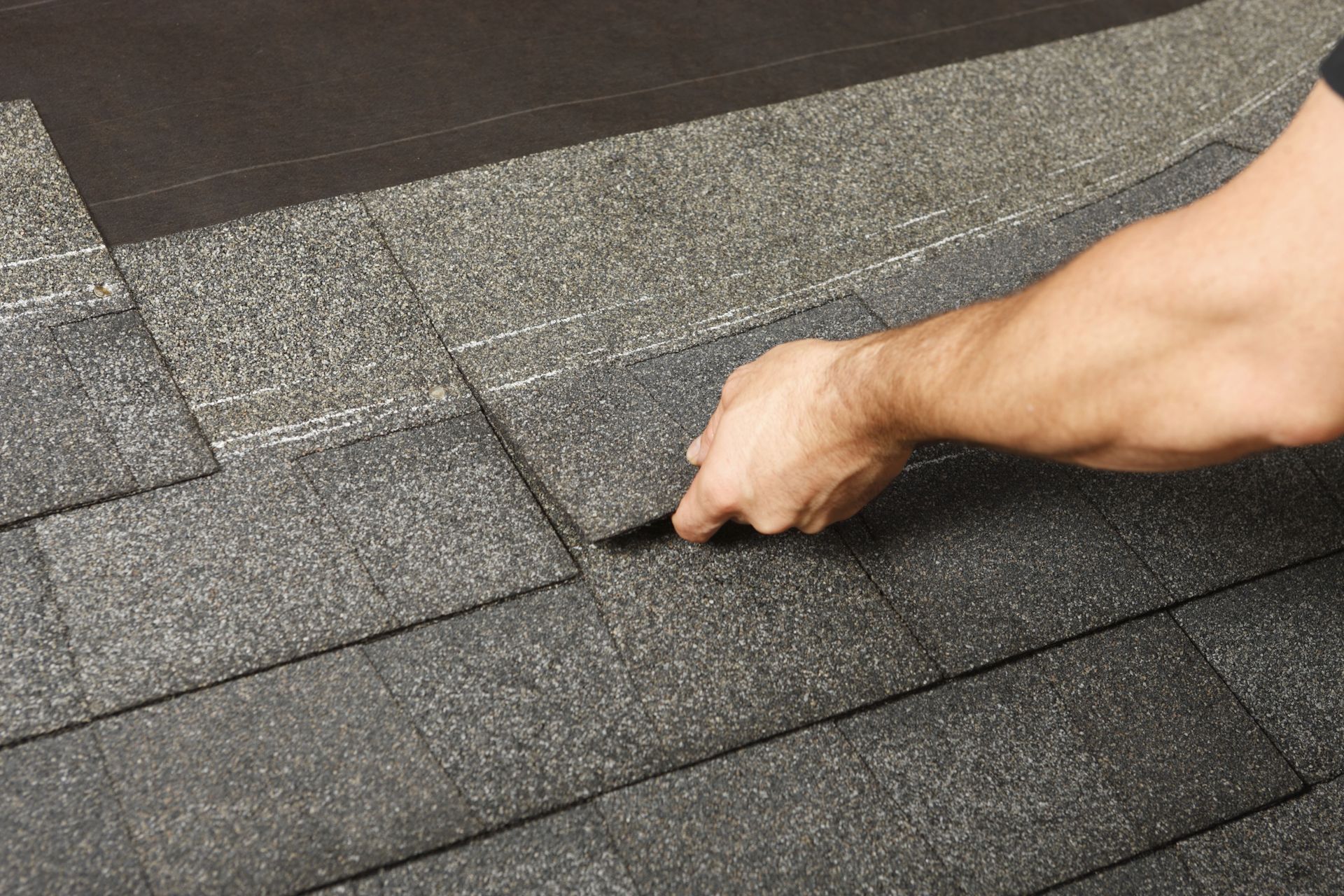
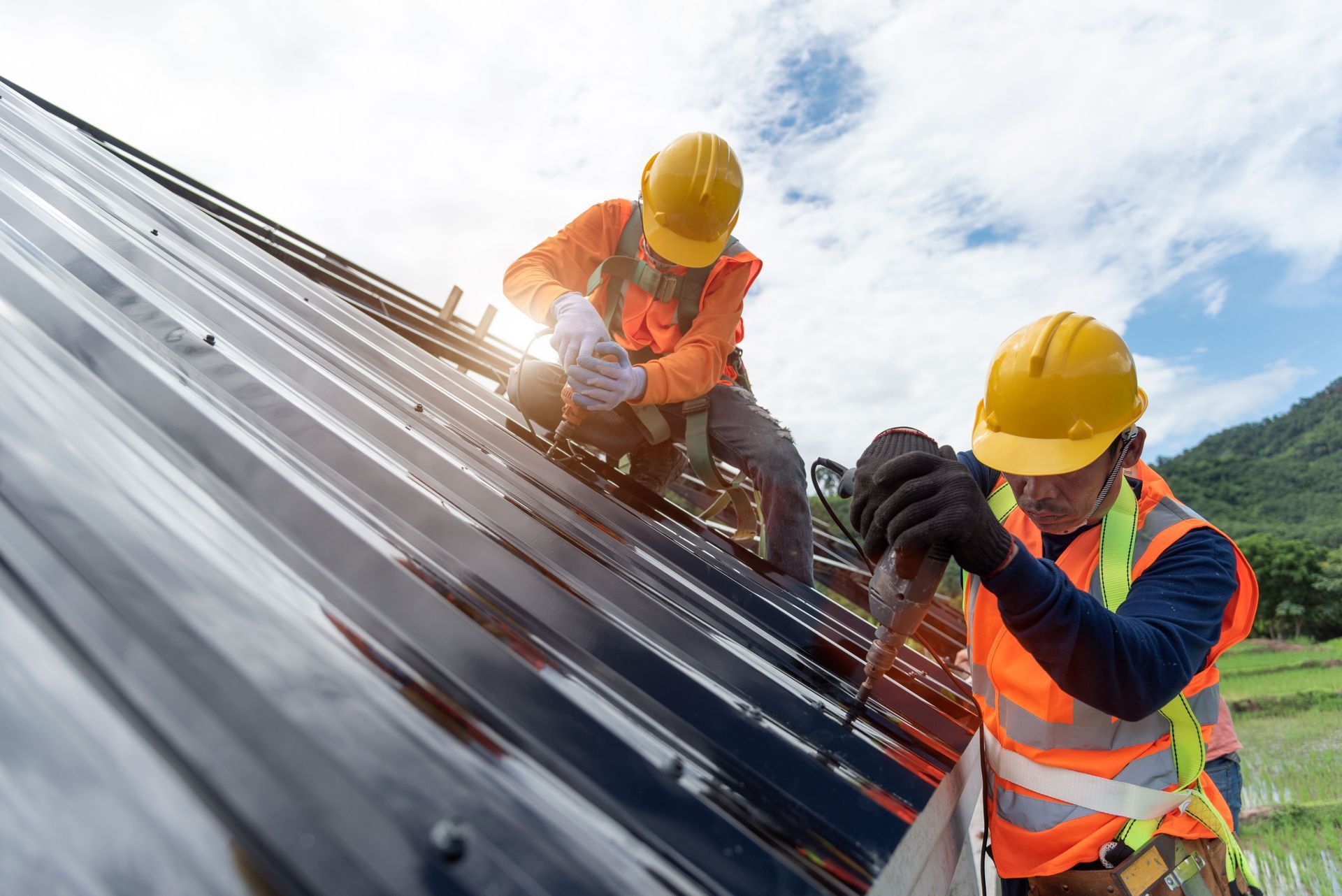
The marketplace offers a diverse array of formulations, each possessing unique strengths suited for different substrates and environmental conditions. The success of the entire endeavor hinges upon meticulous surface preparation, as the underlying materials must be entirely free of contaminants, moisture, and loose debris prior to application. Failing to properly prime and prepare the substrate will result in poor adhesion and premature failure of the protective layer. Therefore, hiring a specialized commercial roofer is an absolute necessity to ensure the intricate chemistry of the selected product bonds flawlessly with the existing infrastructure. These professionals possess the necessary equipment and technical knowledge to apply the liquid at the precise thickness required to achieve full warranty coverage and maximum performance. They expertly navigate the complexities of structural detailing, ensuring that flashings, drains, and penetrations receive reinforced attention during the coating process. Through this rigorous and highly technical application procedure, the liquid transforms from a viscous material into a formidable, resilient shield that profoundly extends the functional life of the entire commercial structure.
Investing in the preservation of an existing roof through advanced liquid membranes secures the entire building envelope against premature failure. Facility managers who prioritize these protective measures effectively optimize their long-term operational stability and lower their overall maintenance burdens. This proactive approach transforms a vulnerable rooftop into a highly resilient asset that performs reliably. For more information on how a commercial roofer can extend your roof's lifespan, please contact Dr. Roofer today.