November 21, 2026
Discovering a leak or missing shingles overhead immediately forces homeowners into a difficult decision between patching the problem and investing in a brand-new roof. Making the wrong choice can either drain your savings prematurely or leave your property vulnerable to recurring water damage and structural decay. By evaluating a few essential criteria alongside a qualified roofing contractor, you can confidently select the most practical and cost-effective solution for your home.
1. Assessing the Overall Age of Your Roof
Every roofing system has a natural lifespan determined by its material composition, local climate exposure, and installation quality. When a relatively young roof suffers localized wind or hail damage, targeted repairs typically restore its protective barrier without unnecessary expense. However, as roofing materials approach the end of their expected service life, shingles become brittle, lose their protective granules, and fail more frequently across different sections. Investing money into patching an aging structure often delays the inevitable while forcing you to pay for repeated service calls.
Understanding where your roof sits in its lifecycle helps clarify whether a fix will hold up over time. According to HomeGuide, repairing a roof makes more sense than replacing it when the damage covers less than 25% of the total surface, the repair bill remains under 30% of what a complete replacement would cost, and the roof itself is less than 20 years old. If your roof has already surpassed that age threshold, replacing the entire system usually provides far greater reliability and peace of mind.
2. Evaluating the Extent of Existing Damage
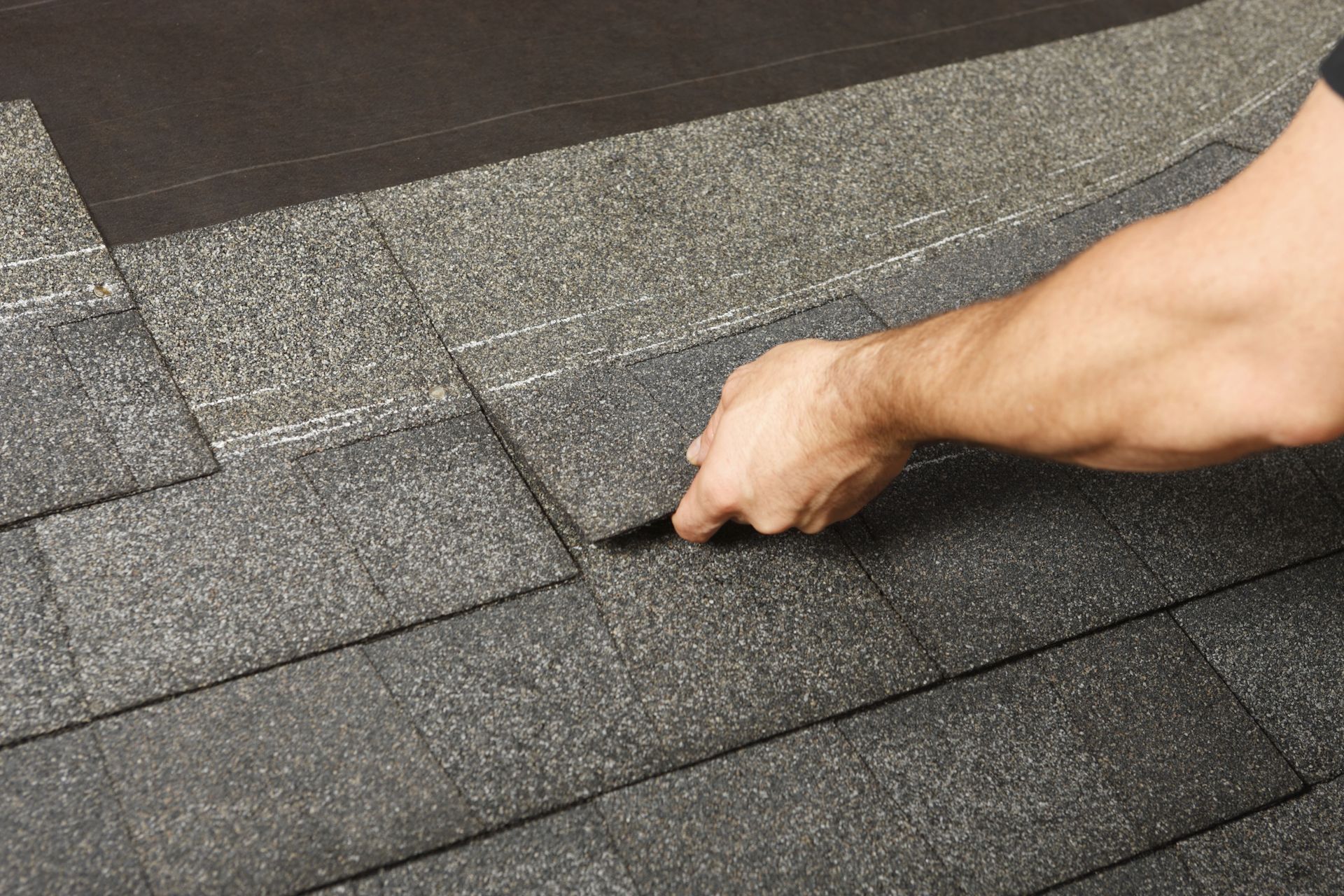
Surface-level issues differ drastically from widespread structural deterioration, so identifying the true scope of the problem is essential. A small cluster of lifted tabs, a cracked vent boot, or isolated flashing separation around a chimney can usually be resolved quickly through straightforward repair work. Conversely, extensive curling, widespread granule loss, or pervasive sagging across multiple slopes signals systemic failure that spot treatments cannot cure. Attempting to patch broad deterioration leaves surrounding weak points exposed to the next major storm.
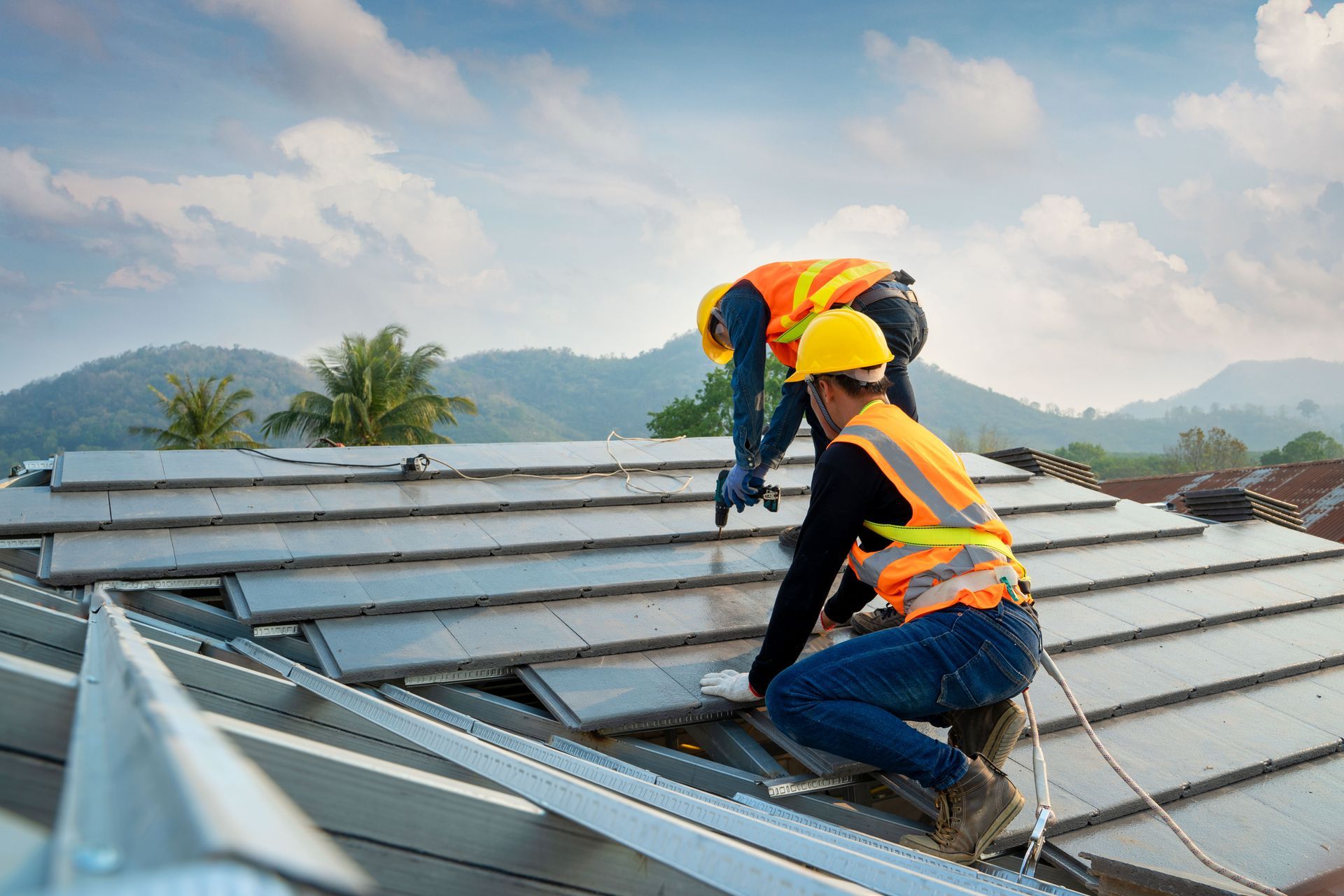
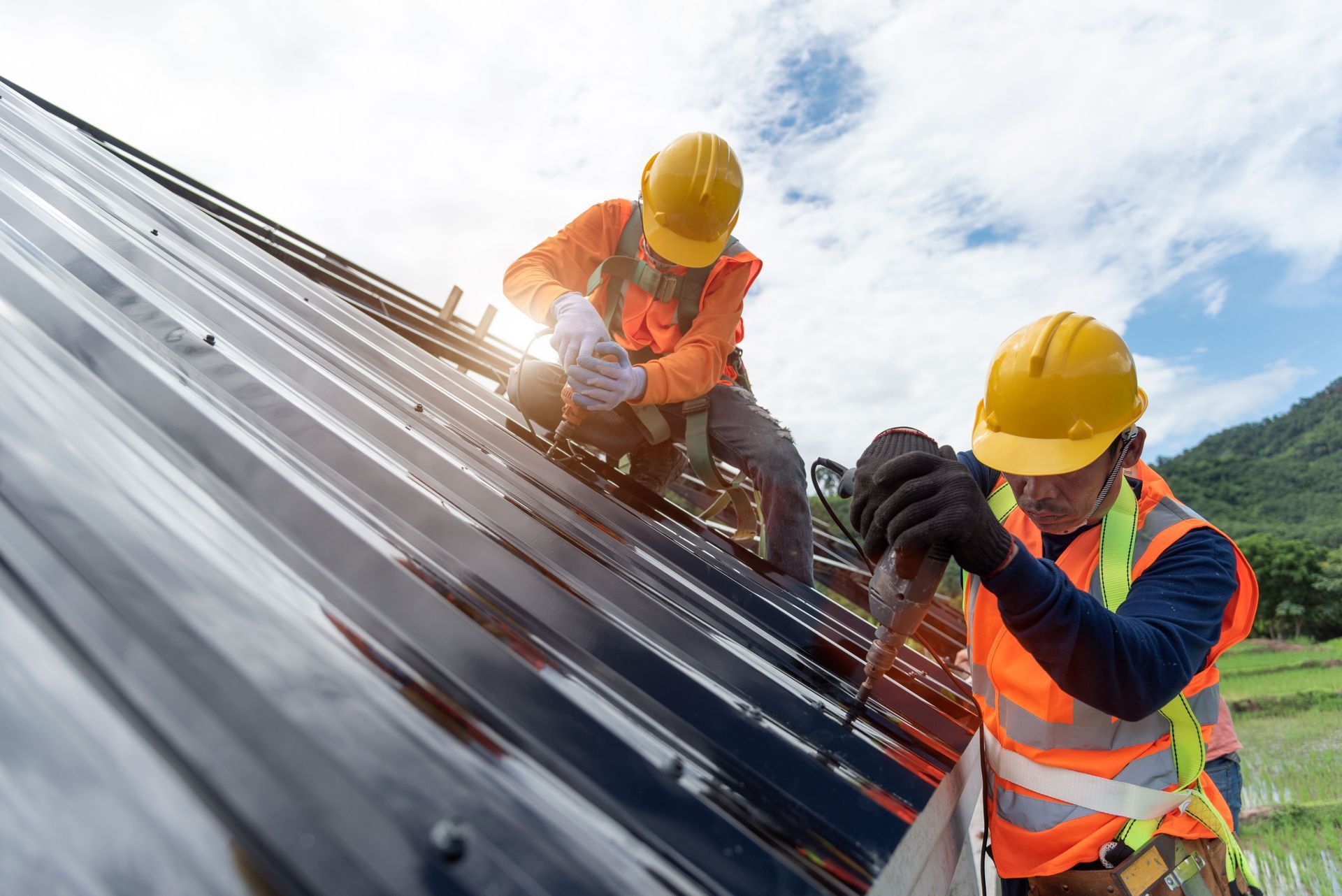
Proper assessment requires looking beyond what is visible from the yard or driveway. An experienced roofing contractor will safely climb onto the surface, inspect vulnerable valleys and penetrations, and map out every compromised area. Getting an accurate picture of how much surface area is truly affected prevents you from underestimating hidden wear and ensures your chosen strategy matches the actual severity of the damage.
3. Comparing the Financial Costs of Both Options
Budget constraints naturally play a major role when deciding between a targeted fix and a full-scale tear-off. Repairs require far less labor and material upfront, making them attractive when household funds are tight or when the damage is minor. Yet short-term savings can quickly evaporate if an older roof continues springing new leaks every season. Repeated patching eventually accumulates into a substantial expense without extending the overall lifespan of the roof or adding meaningful equity to your property.
Evaluating long-term value alongside immediate out-of-pocket expense creates a clearer financial comparison. You should ask your roofing contractor for itemized estimates outlining both the repair scope and a complete replacement so you can weigh the price difference directly. Viewing the repair quote against the full replacement cost allows you to judge whether a patch represents genuine savings or merely postpones a larger, unavoidable investment.
4. Examining the Condition of Underlying Materials
Shingles and metal panels serve only as the outer shield of a much larger weatherproofing assembly. Beneath that visible layer sit underlayment membranes, ice and water barriers, and wooden decking boards that bear the structural load of the roof. When moisture penetrates the outer surface and lingers undetected, it can rot the plywood sheathing, saturate attic insulation, and encourage mold growth along the rafters. Simply nailing new shingles over compromised decking fails to address the structural weakness underneath.
Uncovering subsurface moisture damage often shifts the recommendation decisively toward full replacement. A thorough roofing contractor checks beneath the surface and inspects the attic interior for dark water stains, soft wood, or daylight shining through the boards. If the underlying decking has lost its structural integrity across broad sections, stripping the roof down to the framing is the only safe way to rebuild a sound, watertight foundation.
5. Considering Your Long-Term Plans for the Home
Your personal timeline for staying in the house strongly influences which roofing investment makes the most practical sense. If you plan to sell your property in the near future, a well-executed repair may resolve immediate inspection concerns without requiring a massive capital outlay right before listing. Homebuyers expect a watertight roof, and addressing visible defects promptly keeps negotiations smooth while preserving your cash reserves for moving expenses.
On the other hand, homeowners who intend to remain in their residence for the foreseeable future benefit differently from a complete upgrade. Installing a brand-new roof eliminates ongoing maintenance worries and protects your living space against severe weather for the long haul. Furthermore, if you do eventually decide to sell, a newer roof serves as a compelling selling point that reassures prospective buyers and strengthens your position on the market.
6. Reviewing Current Warranties and Shingle Availability
Existing manufacturer warranties and workmanship guarantees can significantly alter the financial equation of roof work. If premature failure stems from a covered manufacturing defect or an installation error within an active warranty window, the manufacturer or original installer may cover the repair or replacement materials. Conversely, hiring an unauthorized crew to perform patchwork on a covered roof can accidentally void your remaining warranty protection, leaving you fully responsible for future issues.
Material matching presents another practical hurdle during partial repairs, especially on older roofs. Sun exposure and weather gradually fade shingle colors over time, and manufacturers frequently discontinue specific product lines or color blends. Working with a reputable roofing contractor ensures you understand your warranty terms and helps you determine whether matching materials are available, or if a patch would leave an obvious, mismatched eyesore across your roofline.
7. Weighing Energy Efficiency and Curb Appeal Goals
Beyond keeping rain out of your attic, your roof shapes both the visual character of your home and its indoor thermal performance. Modern roofing systems incorporate reflective granule technologies, improved ventilation intakes, and advanced synthetic underlayments that reduce heat transfer into your living spaces. If your current roof suffers from poor attic airflow or outdated materials that trap summer heat, a simple patch will not improve your home's comfort or lower strain on your heating and cooling equipment.
Aesthetic consistency also matters when your roof accounts for a large portion of your home's exterior facade. Visible streaks, curling edges, and mismatched repair patches can detract from your property's overall appearance and diminish neighborhood appeal. Opting for a full replacement gives you the opportunity to upgrade outdated colors, enhance attic ventilation, and refresh the entire exterior aesthetic of your house in a unified, coordinated project that boosts neighborhood pride.
Choosing between a targeted repair and a complete replacement ultimately comes down to balancing your roof's age, the extent of the damage, and your long-term goals as a homeowner. By weighing subsurface conditions, warranty rules, and overall value rather than focusing solely on upfront price, you can avoid costly missteps. Partnering with a trusted roofing contractor gives you the clarity and expert guidance needed to protect your home with confidence. For information from a roofing contractor on what to consider when choosing between repairing or replacing your roof, please contact Dr. Roofer today.