March 18, 2026
Replacing an asphalt shingle roof is a significant undertaking, but it's a necessary project for protecting the integrity of your home. Because your roof acts as the first line of defense against rain, wind, snow, and fluctuating temperatures, keeping it in good condition is essential to maintaining your home's structure and value. Understanding what happens during the replacement process can help ease the anxiety many homeowners feel and allow you to prepare properly for the project. In this post, we'll take a deeper look at what you can expect when upgrading your roof with asphalt shingles.
Removing the Old Roof
Before working with residential roofers, there are a few steps homeowners should take to prepare. Once preparations are complete, the next stage involves stripping the old roofing materials. This step can be noisy and messy, as existing shingles, underlayment, nails, and flashing must be removed to expose the roof deck beneath. Roofing crews typically use specialized tools to lift and remove materials efficiently while placing debris into dumpsters positioned near the home.
Complete removal is important because installing new shingles over old ones can mask underlying problems. By exposing the roof deck, residential roofers can assess its condition thoroughly. Although this stage may look chaotic, it's a necessary part of ensuring a strong and durable finished product.
Inspecting and Repairing the Roof Deck
With the old roofing removed, the roof deck becomes fully visible. This layer—usually made of plywood or oriented strand board (OSB)—forms the structural base for the roofing system. Any soft spots, water-damaged sections, or weakened boards must be replaced before moving forward.
Addressing these issues at this stage is critical. Even the highest-quality shingles will fail prematurely if installed over a compromised deck. Residential roofers may also examine ventilation components, ridge vents, and soffit vents to confirm proper airflow. Adequate ventilation extends the life of shingles and prevents moisture buildup that can lead to mold or wood rot.
While deck repairs may extend the timeline slightly, resolving these concerns upfront helps prevent costly future repairs and contributes to the long-term performance of your new roof.
Installing Underlayment and Protective Barriers
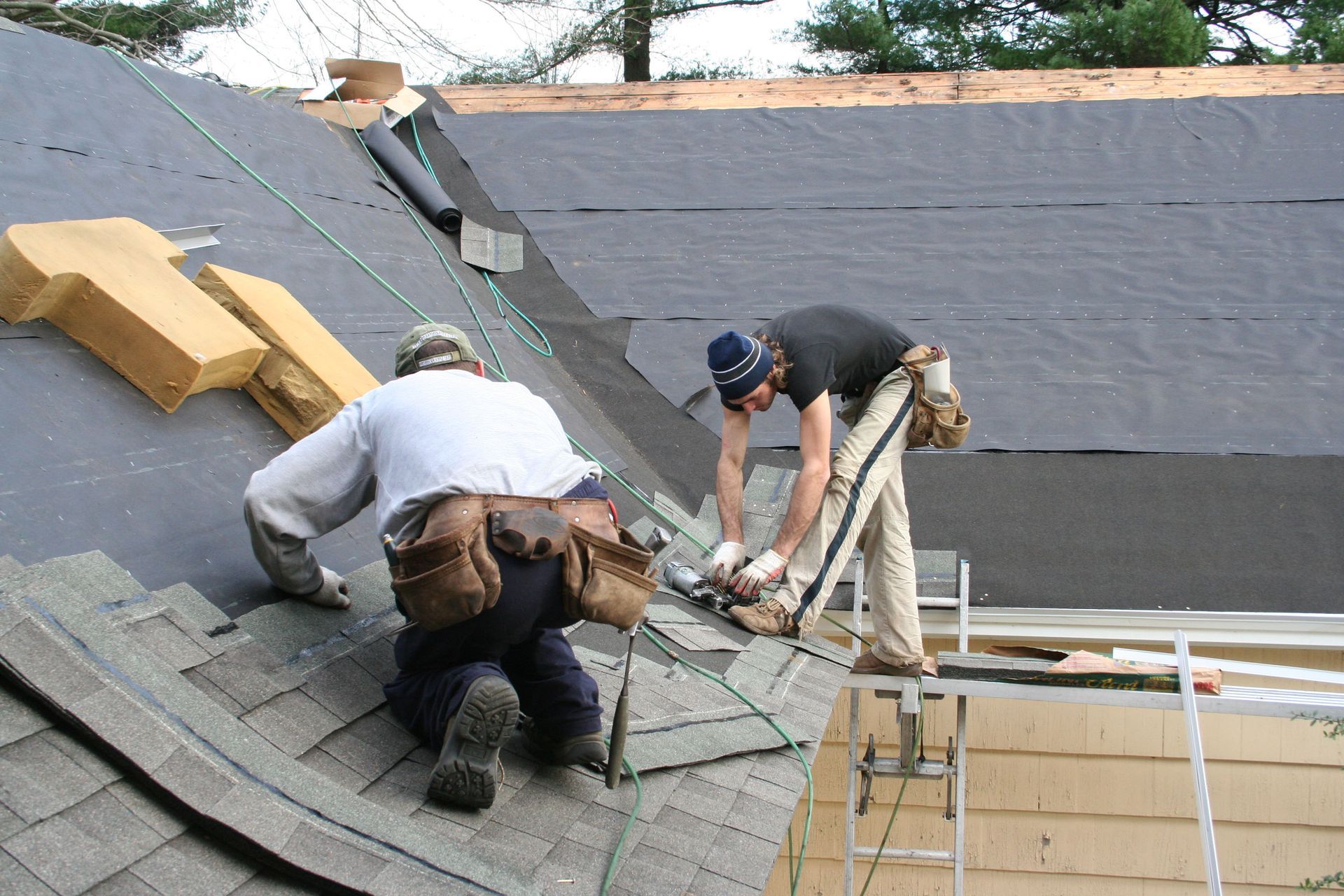
Before shingles are installed, protective layers are applied to enhance waterproofing. Residential roofers begin by installing drip edge flashing along the eaves and rakes to direct water away from the roof structure. Next comes the underlayment—a water-resistant or waterproof barrier that provides secondary protection beneath the shingles.
In colder climates, ice and water shield membranes may be installed in vulnerable areas such as valleys, around chimneys, and along roof edges. These self-adhering membranes protect against ice dams and wind-driven rain. Flashing is also installed around vents, skylights, and chimneys to create watertight seals.
These foundational components may not be visible once the roof is complete, but they play a crucial role in protecting your home from moisture infiltration.
Installing the Asphalt Shingles
After all protective layers are in place, the installation of new asphalt shingles begins. Asphalt shingles are popular because they offer durability, style variety, and cost-effectiveness. According to RubyHome, their usage in about 75% of roofing projects underscores their reputation as the go-to roofing material for many homeowners.
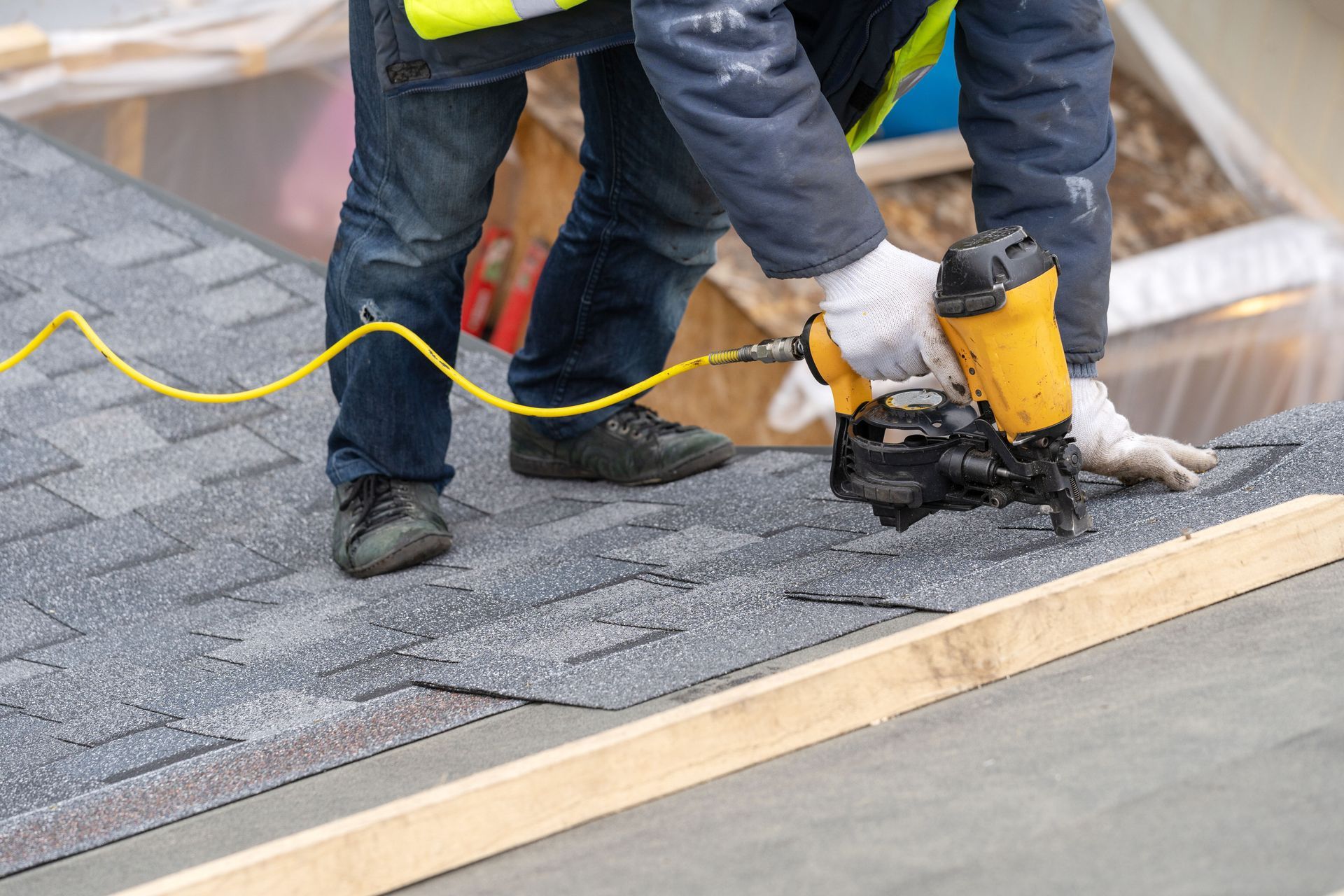
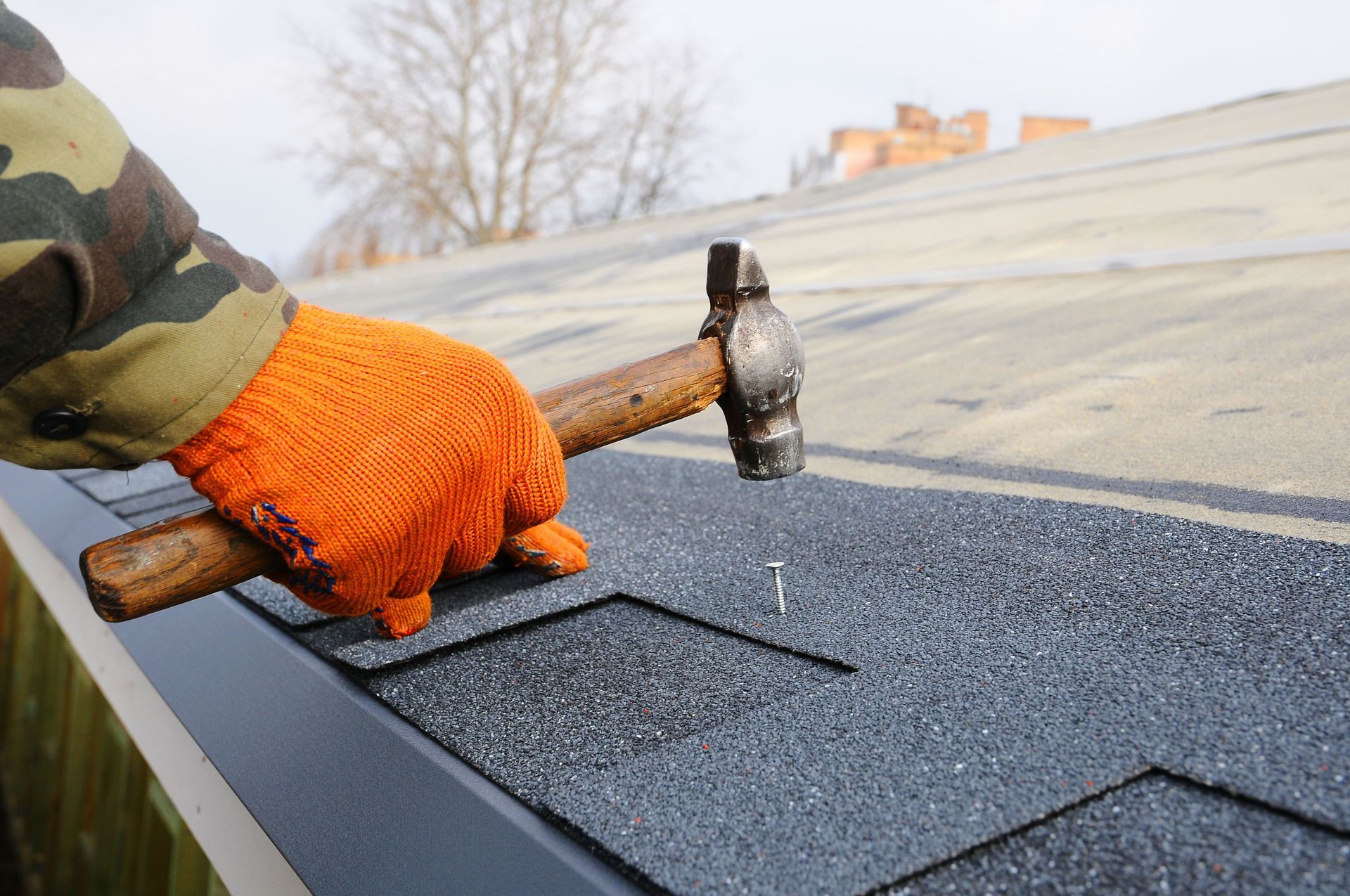
Residential roofers carefully align and nail shingles in overlapping rows, following manufacturer guidelines to maintain warranty compliance. Proper nailing patterns, spacing, and placement are essential for wind resistance and longevity. Special attention is given to roof valleys, ridges, and edges to maintain consistent coverage and water flow.
The installation process typically takes one to several days, depending on the size and complexity of the roof. Steeper roofs or those with multiple peaks, dormers, and penetrations may require additional time and expertise.
A roof replacement is a detailed and carefully coordinated process that requires planning, skilled labor, and attention to detail. From the initial inspection and material selection to the removal of old shingles, structural repairs, installation, and final cleanup, each stage contributes to the durability and effectiveness of your new roof.
While the process may seem overwhelming at first, understanding what to expect can make it far more manageable. With a new asphalt shingle roof in place, you gain enhanced protection, improved curb appeal, and increased property value. Whether you're replacing an aging roof or upgrading after storm damage, being informed allows you to approach the project with confidence and peace of mind. Contact Dr. Roofer today for help from professional residential roofers.